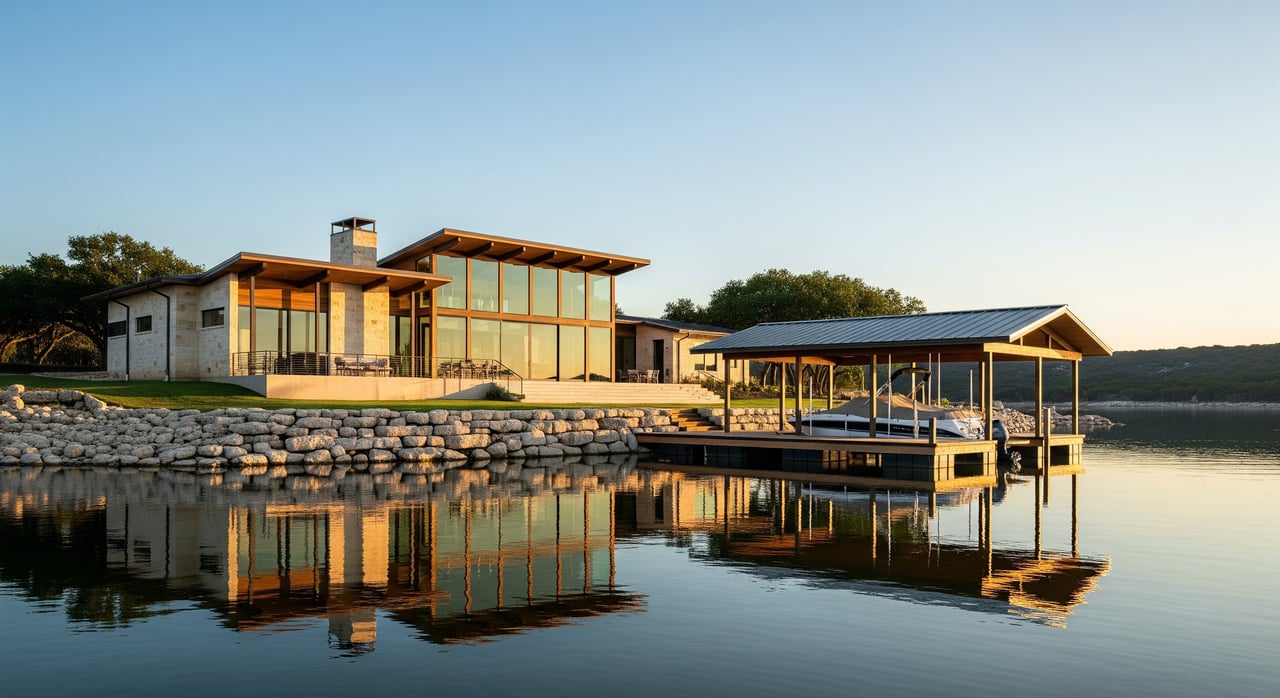
Shopping waterfront in Kingsland and wondering what a “constant‑level” lake really means for your lifestyle and investment? You’re not alone. If you want reliable boating, a usable dock, and steady views, understanding how Lake LBJ operates will help you buy with confidence. In this guide, you’ll learn what constant‑level means in practice, how it affects docks and recreation, what to expect for property value, and a clear checklist to use before you write an offer. Let’s dive in.
Constant‑level basics
A constant‑level lake is operated to keep the waterline relatively steady by passing inflows downstream rather than storing large amounts for seasonal drawdowns. This model, also called run‑of‑river, generally results in smaller, more predictable water‑level swings. It is different from storage reservoirs that can drop or rise dramatically for flood control or water banking.
“Constant” is relative, not absolute. Weather and operations still matter. Prolonged drought, emergency releases, or maintenance can change the level. The key takeaway is predictability compared with many Texas lakes, not a promise that levels never move.
LBJ management in Kingsland
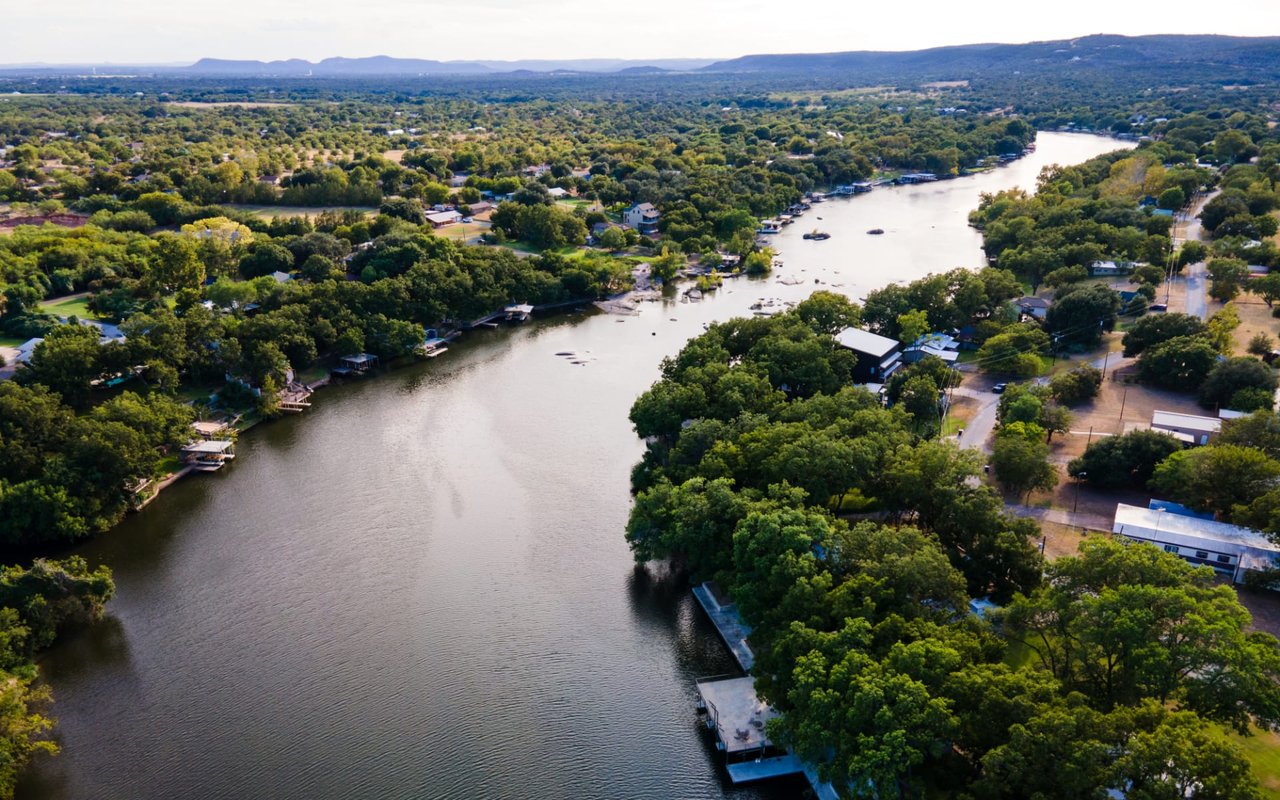
Lake LBJ is part of the Highland Lakes chain on the Colorado River in Central Texas. The Lower Colorado River Authority (LCRA) manages the system for downstream water supply, hydropower, environmental flows, and recreation. Because LBJ passes flows through the system, lake levels are generally steadier than upstream storage lakes.
Day to day, you can expect smaller fluctuations that make dock clearance and boat access more predictable. Public ramps, marinas, and many private docks sit at stable elevations. Even so, buyers should plan for occasional operational changes, storm events, or maintenance periods that adjust the pool.
Shoreline and docks
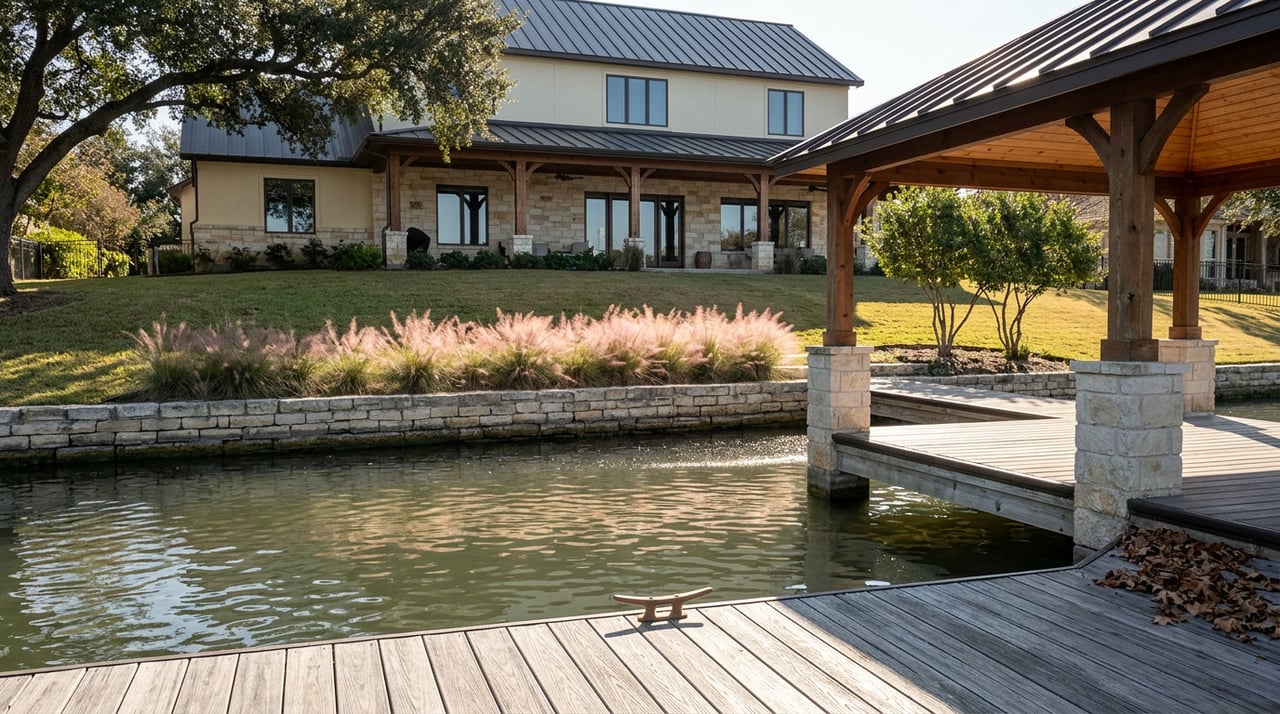
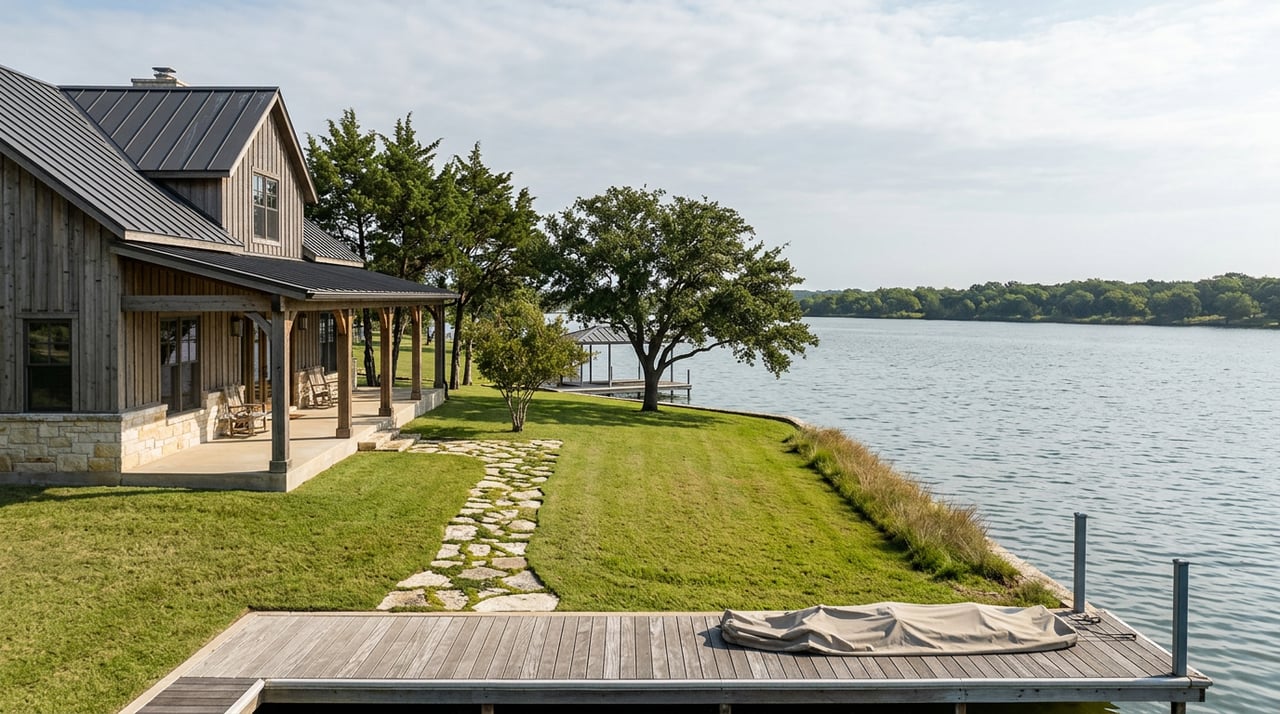
Constant levels simplify shoreline improvements. Many owners install fixed docks, decks, and stairs designed around a stable waterline rather than complex floating systems. That can reduce ongoing hassle and keep your waterfront usable more of the year.
Permitting still applies. Docks and shoreline work typically need approvals from multiple authorities, including LCRA for lakebed and dock licensing, Llano County and the City of Kingsland for building and septic considerations, and sometimes state agencies for certain shoreline stabilization efforts. Expect rules on boathouse size and placement, anchor methods, and limitations on seawalls or extensive riprap without permits.
Maintenance never goes away. Even with a steady pool, plan for wear from waves and wakes, storm damage, algae and fouling, and periodic inspections after high‑flow events. If a property already has a dock, confirm its permit history and condition.
Access and deeded rights
Waterfront parcels vary. Before you buy, confirm whether your access and docking rights are deeded to the parcel or handled through a community or HOA facility. Check for any LCRA‑licensed structures, shoreline easements, and nearby public access points that could influence privacy and use.
Boating and recreation
On LBJ, predictable depths and waterlines improve overall boatability. Navigation channels, buoys, and swim areas are easier to maintain, and the odds of stranding a boat on exposed hazards are lower when levels are stable. That consistency is a big draw for buyers who prioritize time on the water.
Flow still exists. Near dams and connecting channels, you can encounter stronger currents, so stay situationally aware. Because LBJ’s steady pool is popular, expect busier weekends in high‑demand areas around Kingsland, especially during peak seasons.
Property value impact
A steady waterline supports a year‑round waterfront lifestyle. You get more reliable boating, easier fixed‑dock design, and consistent lakefront views. Many buyers find that predictability reassuring, which can widen the buyer pool and support marketability when you choose to sell.
Pricing reflects multiple factors. Lake stability is one value driver alongside lot size, frontage, views, improvements, and access. Desirability can translate into higher price per waterfront foot and more competition, plus ongoing costs like HOA dues or marina fees if you rely on community mooring.
Risks to consider
Constant does not mean risk‑free. Extended drought can reduce inflows and affect operations and water quality. LCRA may conduct emergency drawdowns or maintenance that temporarily changes levels. Policies can evolve over time as regional water needs shift.
Flood risk still matters. FEMA flood maps and local floodplain designations apply on LBJ. Review base flood elevations for any structure near the water and get insurance quotes early. Also consider environmental factors like shoreline erosion, sedimentation, and aquatic vegetation, which can change usable frontage even if the elevation is steady.
Kingsland buyer checklist
Use this quick list before making an offer on LBJ property:
- Verify LCRA records: Review current lake‑level management information and any existing dock or shoreline licenses tied to the parcel.
- Check title and deed: Confirm waterfront access and dock rights are deeded, shared, or governed by an HOA, and identify any shoreline easements.
- Confirm local permitting: Contact Llano County and the City of Kingsland for setbacks, septic, and shoreline modification requirements.
- Assess flood risk: Review FEMA Flood Insurance Rate Maps, confirm base flood elevation, and secure insurance quotes.
- Inspect on site: Hire a shoreline and dock‑savvy contractor to evaluate the dock, lift, bulkheads, and erosion control. Consider a survey showing the normal pool line.
- Review environmental items: Ask about recent algae or water‑quality advisories and verify septic suitability and utility connections.
- Plan for recreation access: Inventory nearby ramps, marinas, or community slips and verify slip availability, waitlists, and costs.
Compare to other lakes
If you’re weighing LBJ against other Texas lakes, focus on these differences:
- Typical water‑level swings and historical extremes.
- Dock permitting complexity and timelines.
- Water‑quality history and recreational amenities.
- Price differentials tied to lake characteristics and location.
Bottom line
Lake LBJ’s constant‑level operation is a real lifestyle advantage in Kingsland. You get more dependable boating, a higher chance of year‑round dock use, and clearer planning for shoreline improvements. Just remember that constant is relative, so smart due diligence on permits, flood risk, and shoreline condition is essential.
If you’re exploring lakefront in Kingsland or across the Highland Lakes, we’re here to guide you through the details, from dock permits to off‑market opportunities. Reach out to McAlister Realty for local insight and a tailored game plan.
FAQs
What does constant‑level mean on Lake LBJ?
- It means the lake is managed to keep a relatively steady elevation by passing inflows downstream, resulting in smaller, more predictable changes than many storage reservoirs.
Can I build a fixed dock on LBJ in Kingsland?
- Many owners use fixed docks due to level stability, but you must confirm LCRA licensing, local permits, and design requirements before building or modifying any structure.
Does a constant‑level lake remove flood risk on LBJ?
- No. You should review FEMA flood maps and base flood elevations, and obtain flood insurance quotes for any structure near the water.
How does LBJ’s level affect boating near Kingsland?
- Stable levels make navigation more predictable and reduce low‑water hazards, though you may encounter stronger currents near dams and connecting channels.
What should I verify before buying LBJ waterfront in Llano County?
- Check LCRA dock permits, deeded access and easements, local setbacks and septic rules, FEMA flood zones, dock condition, and nearby marina or ramp options.