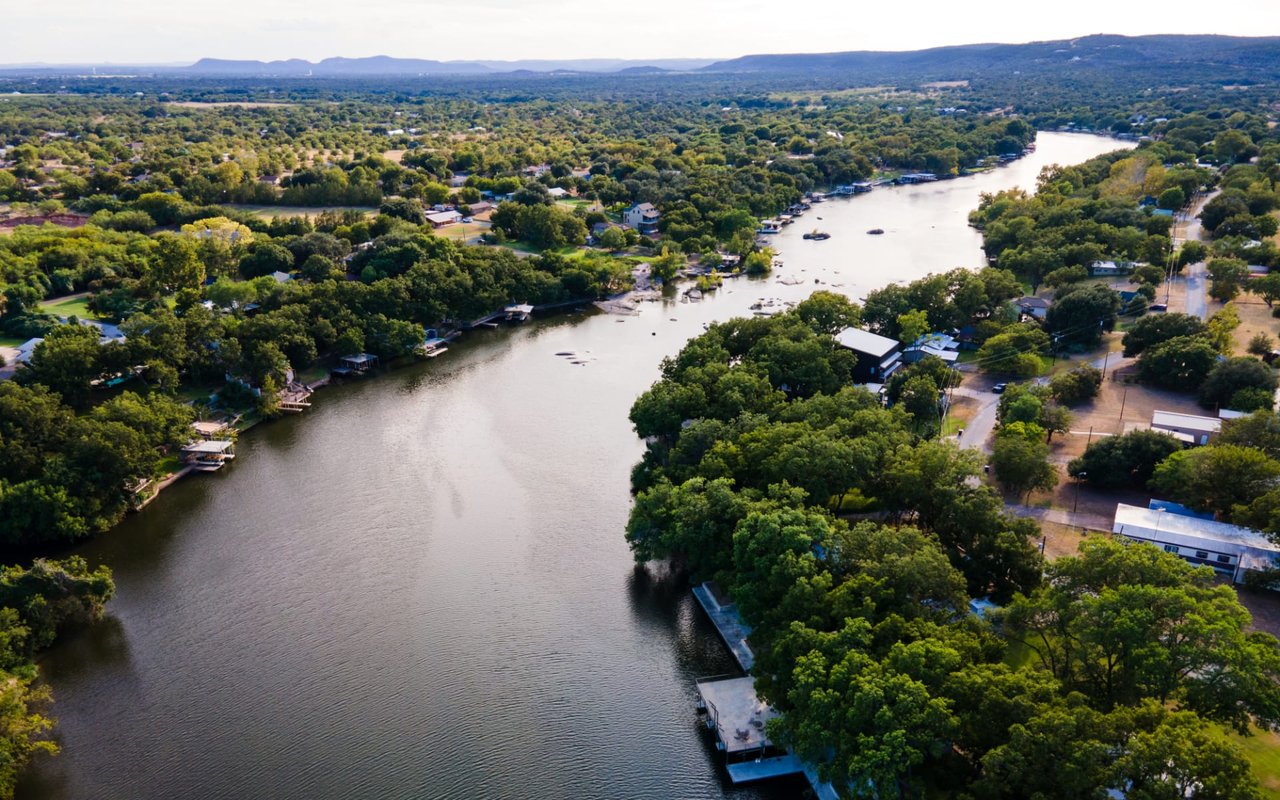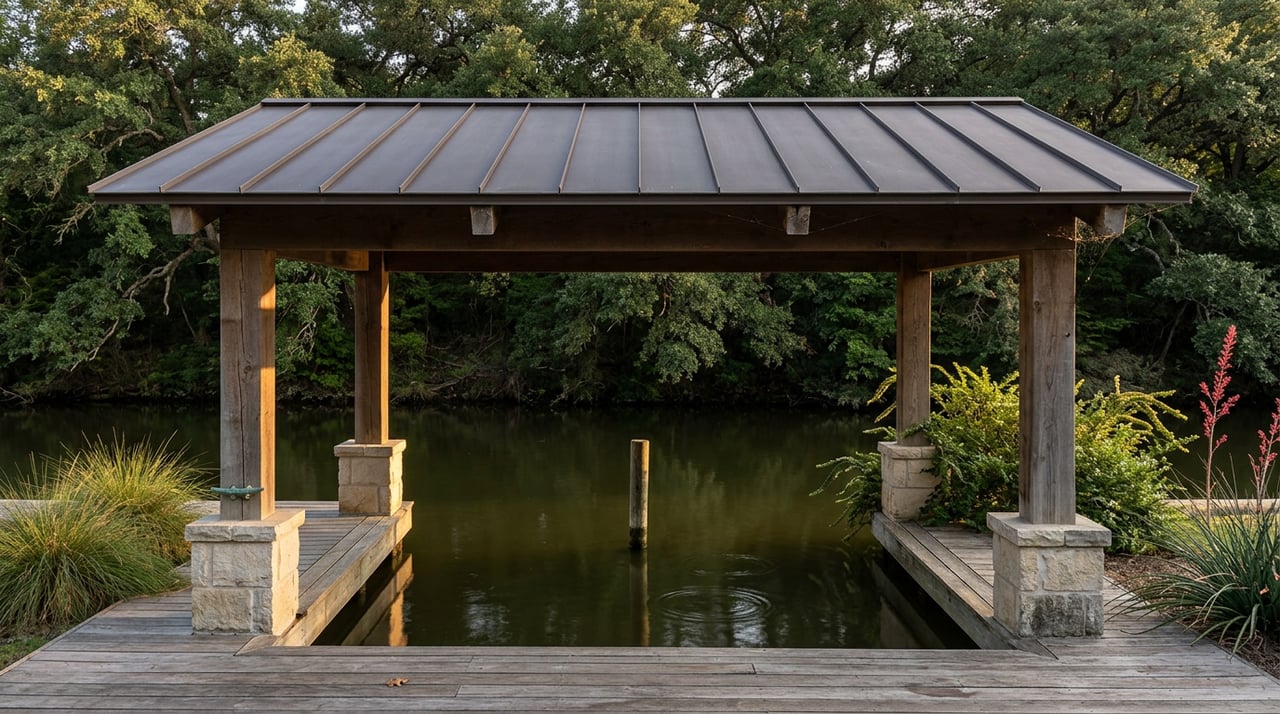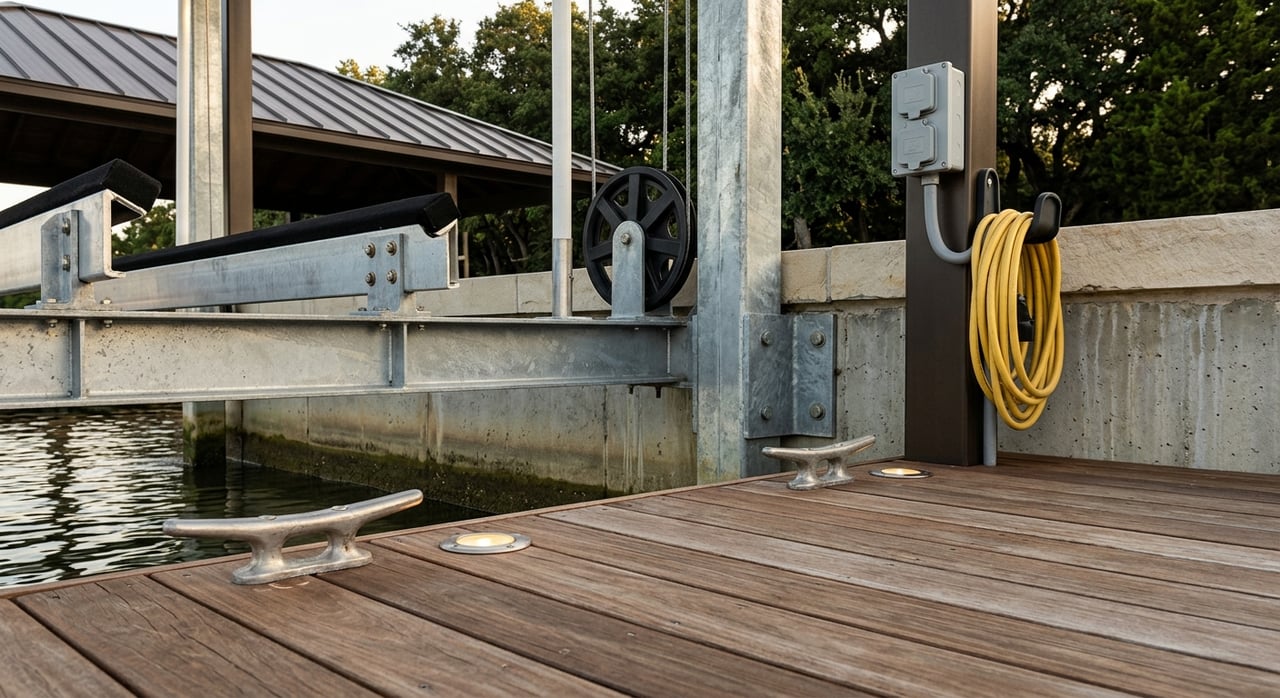
If you are buying or selling on Lake LBJ, a dock can look like a major bonus at first glance. But in Highland Haven, the real value of a waterfront improvement comes down to safety, usability, condition, and whether it actually complies with local and lake rules. When you know what to check, you can spot red flags early, ask better questions, and make smarter decisions before closing. Let’s dive in.
Start With Lake LBJ Rules
Lake LBJ is often described as a constant-level lake, but that can be misleading in practice. Texas Parks and Wildlife notes that Lake LBJ is generally managed around 825 feet above mean sea level, while LCRA explains that none of the Highland Lakes are truly constant-level and that LBJ can still fluctuate during flood events. That matters because dock height, anchoring, and flood-readiness still deserve close attention.
In Highland Haven, waterfront work is not treated like a minor update. A dock, seawall, bulkhead, or boat ramp is considered major waterfront construction, and the city requires permit review and supporting surveys before approval. For seawall or bulkhead work along Lake LBJ and up to 50 feet into the lake, city rules also require compliance with USACE, LCRA, and city standards.
Key Highland Haven Limits
A few local rules can shape whether an existing dock is a strength or a problem point:
- Only one waterfront facility is allowed per waterfront lot.
- No part of the facility may sit within the five-foot side setback over water.
- On open water, the structure may not extend more than 50 feet from the seawall into the lake.
- In tighter canal or cove settings, the city may require navigation-clearance surveys when the shore-to-shore distance is less than 150 feet.
- If city rules are stricter than LCRA rules, the stricter rule applies.
These limits are important for both buyers and sellers. A dock that feels large or well-placed may still raise issues if it crosses setback lines, extends too far, or lacks the survey support the city expects.
Inspect the Dock, Not Just the View
A nice view can distract you from the real question, which is whether the dock is safe and functional. LCRA requires residential docks on the Highland Lakes to meet standards for flotation, lighting, anchoring, access, and maximum distance from shore. On Lake LBJ, a dock can extend no more than 50 feet from the shoreline, and it also needs an additional 40 feet of lake access to be allowed.
LCRA also defines when a dock is considered dilapidated. That includes structural members that are loose, docks that are submerged or not floating upright, floors that sit below the waterline, or other out-of-compliance conditions. If you see obvious sagging or shifting, that should prompt a deeper review.
Signs of Dock Wear to Watch For
During a property showing or pre-closing inspection, pay attention to:
- Cracked or loose framing
- Frayed or corroded anchor cables
- Damaged flotation
- Lighting that no longer clearly defines the dock at night
- Signs the dock has drifted or shifted position
LCRA requires encased flotation and says anchor cables must remain in good condition with a minimum working load of 1,000 pounds. It also prohibits overhead electrical spans above open water, which makes electrical layout another detail worth checking carefully.
Because Lake LBJ can experience fast-moving water and debris during flood events, a calm lake day does not tell the whole story. LCRA warns that flood debris, stronger currents, and higher water can damage or detach docks. A better evaluation looks at recent storms, visible cable wear, and whether the structure appears to have moved over time.
Evaluate Seawalls and Bulkheads Carefully
The shoreline protection matters almost as much as the dock itself. If a bulkhead or seawall is failing, you may be looking at future repairs that affect both enjoyment and cost.
Visible warning signs include leaning, bowing, cracks, holes, rust, rotting boards, or washout behind the wall. Failures can also show up as divots or holes near the wall, especially after storms. These clues can point to erosion or structural stress that is easy to miss on a casual walk-through.
As a planning reference, bulkheads often have an expected life of about 25 years depending on materials, maintenance, and site conditions. Long-term maintenance can also be significantly more expensive than some other shoreline approaches. For a buyer, that means the age and upkeep of a seawall or bulkhead should be part of your cost review, not an afterthought.
Check Age, Materials, and Remaining Life
Waterfront improvements do not last forever, even when they look serviceable from a distance. General planning benchmarks suggest floating dock systems commonly last about 25 to 30 years, while fixed dock systems can last 40 to 50 years. Actual lifespan can vary a lot based on weather exposure, maintenance, construction quality, and site conditions.
That is why age alone does not tell the full story, but age still matters. A well-maintained older dock may be more reliable than a newer one with poor anchoring or deferred repairs. Ask when the structure was built, what materials were used, and what major repairs or replacements have already been completed.
Review Permits and Surveys Before Closing
One of the biggest mistakes buyers make is assuming that lakefront ownership automatically includes the right to build or keep a dock. LCRA makes clear that buyers should verify ownership of the submerged land under a fixed dock and the underwater property used for floating-dock anchors. If someone else owns that submerged land, permission may be required.
LCRA can also inspect a dock after a complaint and may issue a notice of violation if the structure does not meet safety standards. So even if a dock has been in place for years, you still want proof that it is conforming or lawfully grandfathered.
Documents to Request
If you are buying or preparing to sell, ask for:
- Permit approvals for the dock, lift, bulkhead, or seawall
- Certified surveys and any engineered drawings
- Repair history and flood-damage records
- Any LCRA notices, complaints, or violation records
- Proof that the structure is conforming or grandfathered under city rules
In Highland Haven, the city adds another layer of review for waterfront construction. New waterfront facilities are held at City Hall for at least seven days and reviewed by multiple officials, and certified surveys may be required to confirm setbacks and navigation clearance. That paper trail can tell you a lot about whether an improvement was handled properly.
Understand LCRA Size Thresholds
For many residential owners, one useful detail is that LCRA does not charge a permit fee or require registration for residential docks of 1,500 square feet or less on the Highland Lakes. But those docks still must comply with the safety standards.
If a floating dock, swim platform, or pier is larger than 1,500 square feet, LCRA treats it as a marina facility subject to the marina ordinance. That distinction can matter when you are evaluating a larger waterfront setup and trying to understand whether it fits residential use expectations.
Know What Adds Value
Not every waterfront improvement adds value equally. On Lake LBJ, buyers often compare more than simple dock presence because much of the shoreline is already developed with bulkheads and boat houses. A safe, legal, attractive, and functional setup usually matters more than just having a structure over the water.
In practical terms, value is often tied to usable access. A dock that fits the lot, works for the owner’s boat or lift needs, and supports easy day-to-day lake use can help the market view a property more favorably. A nonconforming, deteriorated, or poorly maintained dock may do the opposite and become a negotiation issue.
A Simple Value Framework
When you evaluate a waterfront property, it helps to separate value into three parts:
- The land and view premium
- The functional value of the dock, lift, seawall, or bulkhead
- The cost to cure any permit, safety, or maintenance issues
That framework keeps you from overpaying for an improvement that may need major work. It also helps sellers price more realistically by showing what is truly usable today versus what may require updates.
What Buyers Should Focus On First
If you are buying in Highland Haven, your first questions should be practical. Is the dock safe, properly placed, and supported by permits or surveys? Is the shoreline protection stable? Will the current setup meet how you plan to use the property on Lake LBJ?
Try to look beyond staging and lake views. A waterfront improvement should support your lifestyle without creating preventable surprises after closing. The more clearly you understand condition, compliance, and likely future costs, the more confidently you can move forward.
What Sellers Should Prepare Early
If you are selling, strong documentation can make your property more marketable. Buyers tend to respond well when a seller can provide permits, surveys, repair records, and a clear history of updates.
It also helps to address visible maintenance items before listing. Loose framing, worn cables, damaged lighting, or signs of shoreline washout can shift buyer attention away from the strengths of the property. When waterfront improvements are presented clearly and backed by records, they are easier for buyers to understand and value.
Whether you are buying or selling in Highland Haven, waterfront improvements deserve the same level of review as the home itself. On Lake LBJ, the best docks and shoreline features are not just attractive. They are safe, compliant, durable, and well matched to the lot. If you want experienced local guidance as you evaluate a lakefront property or prepare one for the market, McAlister Realty is here to help.
FAQs
What should you inspect on a Lake LBJ dock in Highland Haven?
- You should look at framing, anchor cables, flotation, lighting, dock alignment, and signs of flood or storm damage, along with whether the dock appears to meet LCRA and Highland Haven requirements.
What are the Highland Haven dock setback and size rules?
- Highland Haven allows one waterfront facility per waterfront lot, prohibits any part of the facility from sitting within the five-foot side setback over water, and generally limits extension to 50 feet from the seawall on open water.
Do Lake LBJ docks in Highland Haven need permits or surveys?
- Yes, Highland Haven treats docks and other waterfront structures as major waterfront construction and requires permit review, with supporting surveys required in many cases.
Does owning waterfront property on Lake LBJ automatically include dock rights?
- No, LCRA says buyers should verify ownership of the submerged land under a fixed dock and the underwater property used for floating-dock anchors because permission may be needed if someone else owns that area.
How do waterfront improvements affect Lake LBJ home value?
- Waterfront improvements usually add value based on usable access, condition, compliance, and functionality, while deteriorated or nonconforming structures may reduce buyer appeal or create negotiation pressure.