If you are shopping for ranch land or acreage near Marble Falls, it is easy to focus on the number of acres first. In this part of Burnet County, that can be a costly shortcut because two tracts with the same acreage can offer very different value, usability, and long-term costs. When you understand how terrain, water, tax treatment, and property rights shape the market, you can buy with much more confidence. Let’s dive in.
Why the Marble Falls acreage market is different
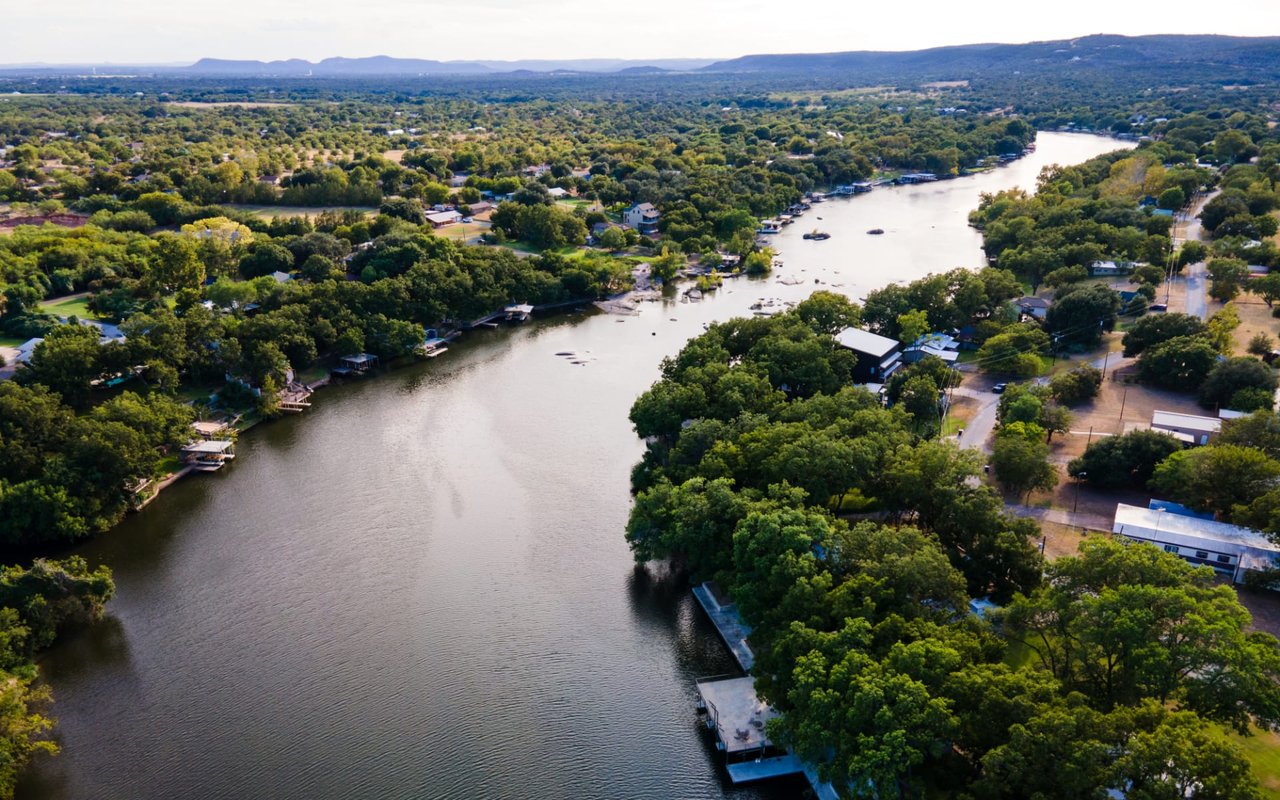
Marble Falls sits on the northeastern edge of the Texas Hill Country, where land can shift quickly from rolling hills to river corridors, lake-influenced property, and lower areas with flood concerns. Burnet County also notes that the local recreation economy includes hunting, fishing, and water sports, which helps explain why so many buyers are drawn to this area.
That said, this is not a one-size-fits-all land market. A smaller recreational tract, a hobby property, and a large operating ranch may all be located near Marble Falls, but they do not necessarily trade the same way or appeal to the same buyer.
Marble Falls land market by acreage
Texas A&M’s Region 7 land report offers the best broad market lens for Burnet County and the surrounding Hill Country. In its small-rural-land study, which defined sales as 10 to 50 acres, the typical tract size was 17.59 acres in the first quarter of 2023, down from 23.91 acres in 2012, while nominal price per acre rose from $5,226 to $13,171 over that same period.
In the broader large-property report for the same region, the median price was $7,127 per acre in the fourth quarter of 2022, and the typical transaction size was 214 acres. The practical takeaway is simple: the Marble Falls ranch and acreage market includes different segments, and buyers should avoid assuming one price-per-acre figure fits every property.
What really drives ranch value
Acreage matters, but usable acreage matters more. In Burnet County, topography, soil depth, rock content, slope, access, and water sources can all affect how a tract functions for cattle, wildlife management, a homesite, or recreational use.
Burnet CAD’s agricultural valuation standards help explain why. Field inspections may consider soil, fence condition, water source, crop type, and livestock, and the county recognizes that native pasture, improved pasture, orchards, vineyards, beekeeping, wildlife management, and other agricultural uses are not all equal in how the land performs.
In plain terms, gentler terrain, deeper soils, and functional improvements often support a tract’s usefulness more than rough ground with limited access or heavier brush. That is one reason two nearby properties can look similar on a listing sheet but feel very different once you walk them.
Terrain and soil affect daily use
Burnet County describes rolling hills in the west, northwest, and south, with more fertile plateaus and valleys in the east and rolling prairies in the north and northeast. For you as a buyer, that means the physical character of the land can shift quite a bit even within the same general market area.
If you want room for livestock, easier building, or more open pasture, slope and soil conditions deserve close review. If your goal is privacy, views, or a recreation-focused holding, rougher terrain may still work well, but you should know exactly what tradeoffs come with it.
Improvements should match your goals
Fences, barns, water infrastructure, and access points can add real utility, but only if they support how you plan to use the property. A tract set up for one purpose may still need meaningful investment if your plans are different.
It is also important to remember that improvements are appraised separately at market value in Burnet County. Even when land qualifies for special agricultural appraisal, that tax treatment does not automatically apply to structures and other improvements.
Water is a major due diligence item
In the Marble Falls area, water can have an outsized effect on both value and buyer interest. The Highland Lakes system plays a major role in the local landscape, and Lake Marble Falls is part of that six-lake chain created by dams on the lower Colorado River.
Lake-influenced or lake-adjacent acreage often gets strong attention, but proximity to water is not the same as having water rights, strong well production, or easy long-term access to water use. This is one of the biggest places where buyers need to slow down and verify details.
Surface water rights are not automatic
In Texas, surface water is owned by the state, and use generally requires permission unless an exemption applies. The state also follows a first-in-time, first-in-right system for water rights priority.
If a property’s appeal depends on creek frontage, river access, or another surface-water feature, do not assume the right to use that water comes with the land in the way you expect. The Texas Water Development Board notes that irrigation water rights may be appurtenant to the land unless expressly reserved, which is why title review and prior conveyance research matter.
Groundwater can vary from tract to tract
Groundwater is just as important in Burnet County. The Central Texas Groundwater Conservation District states that Burnet County has one major aquifer, three minor aquifers, and local water-bearing formations.
The district also requires registration of all wells and permitting of certain wells before drilling, and its drought management plan applies to all Burnet County wells. For buyers, that means similar-sized tracts may have very different well reliability, water quality, or permitting considerations depending on location.
Understand the ag valuation rules
Many buyers ask whether a tract comes with an “ag exemption,” but in Texas the better term is a special agricultural appraisal. Qualifying open-space land is appraised on productivity value rather than market value when it is principally devoted to agriculture and has been used that way for at least five of the previous seven years.
In Burnet County, timely applications are accepted through April 30 on Form 50-129, and approved late filings may carry a 10% penalty before records are finalized. Burnet CAD also states that a change in land use can trigger rollback taxes for the previous three years.
Recreational use alone does not qualify
This point surprises many acreage buyers. Burnet CAD states that recreational use, including recreational hunting by itself, does not qualify for open-space agricultural valuation.
That distinction matters because many properties are marketed with language around hunting, weekend use, or recreation. If your financial planning depends on special appraisal status, you need to confirm the property’s actual qualifying use and whether that use can continue after closing.
Wildlife management may be different
Burnet CAD recognizes wildlife management as one of the qualifying agricultural uses when county and state standards are met. That is very different from simple recreational use.
If wildlife management is part of your plan, you should verify what the property is currently doing, what documentation exists, and what would be required to maintain compliance. The marketing language alone is not enough.
Title, survey, easements, and minerals matter
With ranch and acreage purchases, what you are buying is not just land on a map. You are also buying, or not buying, a package of rights, restrictions, access arrangements, and title conditions that can directly affect use and value.
That is why title and survey work should be treated as core due diligence, not optional add-ons. The Texas Real Estate Commission’s buyer notice says buyers should have the abstract examined by an attorney or obtain title insurance, and the State Bar of Texas notes that farm-and-ranch contracts should include title and survey documentation.
Easements can limit how you use the tract
The State Bar of Texas also notes that buyers should review easements shown on the title commitment and survey to make sure they do not interfere with intended use. That can include access, utilities, pipelines, or other rights that affect building areas, privacy, or operations.
On acreage near Marble Falls, where land shape and terrain already matter, an easement can change the practical value of a tract more than many buyers expect. This is especially true if your plans involve a homesite, agricultural activity, or future improvements.
Mineral rights may be severed
Another common surprise in Texas land deals is mineral ownership. Texas A&M AgriLife Extension states that mineral rights are often separated from surface ownership, so you should not assume they transfer with the tract.
If mineral ownership matters to you, it needs to be researched and clearly addressed during due diligence and contract review. The same careful approach applies to any claimed water rights.
Flood risk should be part of your review
Some Marble Falls-area tracts include lowlands, creek corridors, or other areas affected by floodplain conditions. Burnet County requires floodplain permits for work in designated flood-hazard areas.
That does not mean a property is automatically a bad fit. It does mean you should understand how floodplain areas may affect building plans, improvements, access, and future costs before you close.
A practical way to compare acreage
When you look at ranches and acreage around Marble Falls, it helps to compare properties through the lens of function, not just size. A disciplined review can save you from overpaying for land that does not align with your goals.
Here are a few smart questions to ask as you narrow your search:
- How much of the acreage is truly usable for your intended purpose?
- What is the terrain like across the tract, not just near the entrance?
- Is there an existing well, and what are the registration or permitting considerations?
- Are there any surface-water rights involved, and have they been verified?
- Does the property currently qualify for special agricultural appraisal?
- Are there improvements that add real utility, or will they need work?
- What easements, access issues, or title exceptions affect the tract?
- Are mineral rights included, excluded, or unknown?
- Are any portions of the property in a flood-hazard area?
Why local guidance matters in Marble Falls
In a market like Marble Falls, acreage is never just acreage. The difference between a strong buy and a frustrating one often comes down to details that are easy to miss online, like slope changes, water limitations, tax treatment, access points, or rights that do not transfer.
That is where local, hands-on market knowledge becomes especially valuable. When you are comparing Hill Country ranch land, it helps to work with a team that understands the Highland Lakes area, knows how to evaluate mixed-use acreage, and can help you look past the headline acre count to the property’s real-world value.
If you are considering ranch land or acreage near Marble Falls, McAlister Realty can help you evaluate the details that matter most and navigate the process with clear, local guidance.
FAQs
What should buyers know about Marble Falls ranch land pricing?
- Marble Falls acreage does not follow one universal price-per-acre rule. Texas A&M data shows different market behavior for 10 to 50 acre tracts versus much larger properties, so price should be evaluated in the context of size, usability, water, terrain, and improvements.
What should buyers know about ag valuation in Burnet County?
- In Burnet County, qualifying land may receive special agricultural appraisal based on productivity value, but recreational use alone does not qualify. Improvements are also taxed separately at market value.
What should buyers know about water rights near Marble Falls?
- Buyers should know that water rights are not automatic just because a tract touches water. Surface-water use and ownership details should be verified, and groundwater well rules in Burnet County may also affect the property.
What should buyers know about wells in Burnet County?
- Burnet County wells are subject to Central Texas Groundwater Conservation District rules, including registration of all wells and permitting of certain wells before drilling. Well reliability and water quality can vary by tract.
What should buyers know about mineral rights on Texas acreage?
- Buyers should know that mineral rights are often severed from surface ownership in Texas. You should not assume minerals are included unless the transaction documents clearly say so.
What should buyers know about surveys and easements on ranch property?
- Buyers should review the survey and title commitment carefully because easements, access issues, and title exceptions can affect how the land can be used, improved, or enjoyed.
What should buyers know about floodplain issues in Marble Falls?
- Some Marble Falls-area tracts may include flood-prone areas, and Burnet County requires floodplain permits for work in designated flood-hazard areas. That can affect building plans and future improvements.