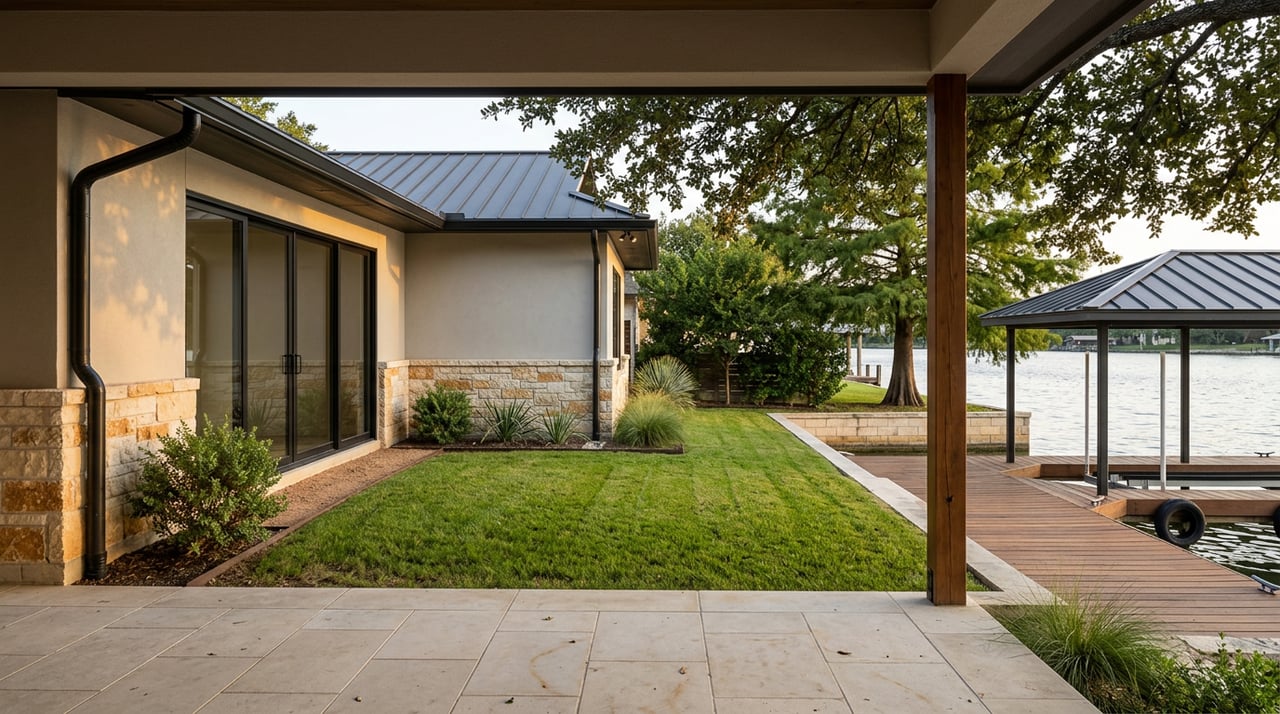
Thinking about selling your Kingsland waterfront home but not sure where to start? On Lake LBJ, buyers look closely at the shoreline, dock, and usability long before they compare interior finishes. With the right pricing strategy, clear prep plan, and smart timing, you can capture strong interest from Austin, San Antonio, and DFW buyers. In this guide, you’ll learn how value is set on Lake LBJ, what to fix first, and when to bring your home to market for the best results. Let’s dive in.
What drives price on Lake LBJ
Usable depth and dock access
Usable, year‑round boat access is a top value driver. Lake LBJ is managed as a near constant‑level reservoir at a conservation elevation of 825.00 feet, so dock usability becomes a key part of what buyers pay for. If a dock is non‑permitted, unsafe, or hard to use, buyers will discount for repair and risk. Confirm permit status and safety before you list.
Open‑water vs cove frontage
Open‑water frontage often attracts buyers who want panoramic views and quick main‑channel access. Protected coves appeal to buyers who value calmer water for swimming and privacy. The premium depends on your exact lot, depth, and dock, so use recent waterfront comps to quantify it. A shoreline‑aware analysis beats a simple price‑per‑square‑foot approach.
Frontage width and shoreline control
More linear feet on the water typically increases value because buyers pay for usable frontage, not just the view. Clear shoreline control and documented permissions reduce uncertainty. If there are any easements or shared structures, disclose them early.
Dock quality and amenities
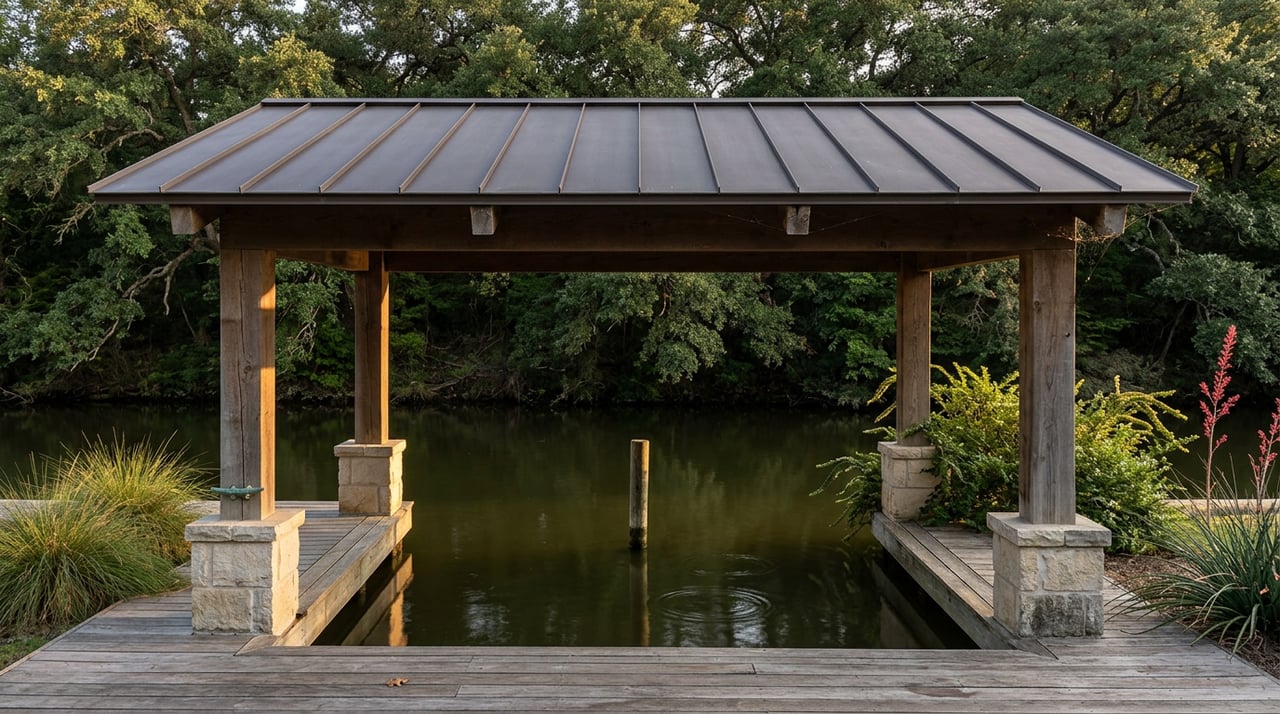
Buyers pay for function and safety. Covered slips, lifts, certified electrical, and multi‑slip capacity can boost appeal. Make sure the dock meets current safety standards and that flotation, anchors, and decking are in good condition.
Shoreline stability and permitted work
Seawalls, riprap, and permitted shoreline improvements reduce future risk for the next owner. Unpermitted or eroding shorelines can lower offers and shrink your buyer pool. Address visible issues before photos and showings.
Orientation and exposure
Sunset views and long sightlines can add emotional appeal, while wind fetch and wave exposure affect maintenance and design. Communicate these details in your marketing so buyers understand how the lot lives across seasons.
LCRA rules to confirm before listing
Dock permissions and safety standards
The Lower Colorado River Authority regulates docks, buoys, and marinas on Lake LBJ. Key rules include a 50‑foot maximum dock extension and a 40‑foot minimum cove width for new docks in narrow coves. LCRA can require action on dilapidated or unsafe docks, so confirm permission status, safety, and any prior correspondence.
Submerged land and anchors
Determine whether submerged land is LCRA‑owned and whether you have explicit rights for anchors or cables. Keep written documentation with your disclosures to lower buyer uncertainty.
Operational drawdowns and timing
LBJ operates to a conservation pool, and periodic operational drawdowns for maintenance can temporarily affect dock access. If a drawdown is planned during your target listing window, plan around it or explain it clearly in your marketing.
Pricing strategy for Kingsland waterfront
Build a shoreline‑aware CMA
Use Lake LBJ comps in Kingsland, Granite Shoals, and Marble Falls that match frontage type, depth, and dock quality. Adjust for frontage feet, permitted status, shoreline stability, slope, and lawn‑to‑water usability. If you are unsure, a certified waterfront appraisal can validate price before you launch.
Why overpricing costs you
Waterfront buyers often shop seasonally and compare a small set of homes side by side. Overpricing can limit showings and push your listing into later seasons. A strong entry price that reflects your waterfront features invites early offers and better terms.
County medians vs lakefront reality
Llano County medians give broad context, but they mask the wide range of waterfront values. Recent Kingsland lakefront sales have reached into the multi‑million‑dollar range, while non‑waterfront sales sit much lower. Judge your value against true waterfront comps, not just county or ZIP snapshots.
Prep checklist: 6–18 months out
Critical fixes first
- Dock: verify LCRA permission and safety. Repair flotation, anchors, decking, and electrical. Unsafe docks reduce offers or delay closings.
- Utilities and systems: inspect septic, well, HVAC, and roof. Buyers pay for certainty, so address major items or provide estimates.
- Permissions and records: gather chain‑of‑title, shoreline work permits, and any dock or buoy correspondence.
High‑ROI improvements
- Shoreline: repair or stabilize seawalls and add riprap where needed. Use licensed contractors and confirm permits.
- Dock upgrades: modern lifts, composite decking, lighting, and clear load specs help buyers value the setup.
- Curb appeal: remove deferred maintenance and stage outdoor living zones that connect to the water.
Presentation that wins clicks
- Professional staging helps buyers visualize use and can support stronger offers.
- High‑quality photography, drone, video, and a 3D tour increase reach and engagement, especially with out‑of‑area buyers. Platform data shows 3D tours can significantly raise listing views and saves, and industry reporting links professional photos to fewer days on market.
- Schedule aerials on calm, clear days and capture twilight scenes that showcase water and outdoor lighting.
Inspections and disclosures
- Consider a pre‑listing home inspection and a dock/structural review to reduce renegotiations.
- Disclose permit status for docks, seawalls, and shoreline work. Organized documentation builds trust.
Timing your list date
Seasonality on Lake LBJ
Peak buyer interest for second homes typically runs from late winter and early spring into early summer. Listing ahead of prime boating season can maximize showings. Some sellers also find success launching in late May or June, depending on inventory and travel calendars.
Avoid operational drawdowns
Check for planned maintenance drawdowns that could limit dock access or alter the shoreline look. If timing cannot be avoided, set expectations in your listing so buyers understand the schedule and refill plan.
A simple 6–18 month calendar
- 6–12 months: evaluate dock and shoreline, gather permits, and price major repairs. Consult a waterfront agent or appraiser.
- 3–4 months: complete structural and shoreline work, finalize dock permissions.
- 4–8 weeks: stage, shoot pro photos, drone, and 3D tours, and set pricing strategy.
- Launch week: go live with the full media package and targeted outreach to Austin, San Antonio, and DFW buyers.
Premium marketing that moves the needle
Why media quality matters
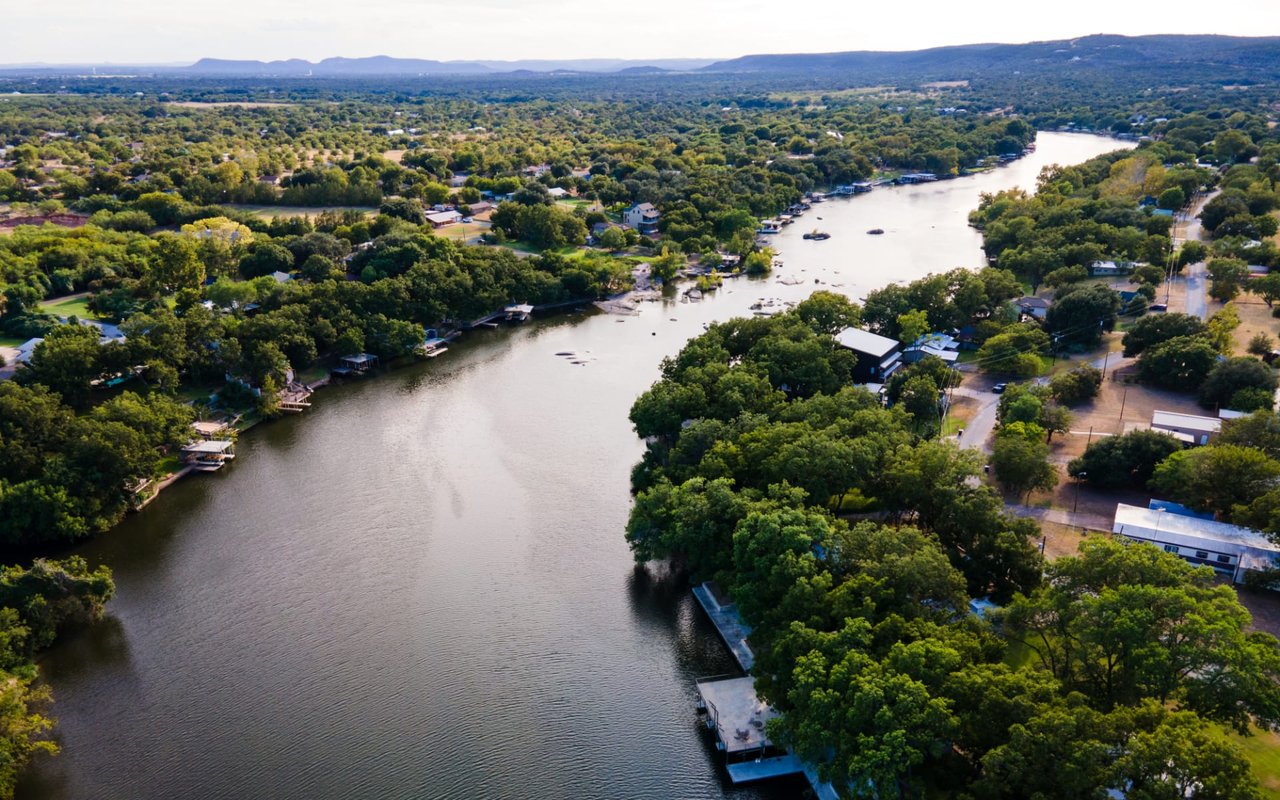
For lake homes, aerials and video show what interior photos cannot: exposure, orientation, and dock function. Listings with immersive 3D tours have been shown to earn significantly more views and saves on major platforms. Industry analyses also link professional photography to meaningfully fewer days on market, which can help you capture momentum and better terms.
Typical costs and payoffs
Expect ballpark ranges such as $200–$800 for stills, $150–$500 for drone, $100–$400 for a 3D tour, and $800–$4,000+ for staging. The goal is not to guarantee a higher price but to expand your buyer pool, shorten time on market, and improve your negotiating position. The right media package usually pays for itself in speed and competitive interest.
Your next steps
If you are planning a sale within the next 6–18 months, start with the waterfront first. Verify dock permissions and safety, stabilize the shoreline where needed, and plan a media‑forward launch timed to the spring buyer surge. We bring hands‑on lake expertise, premium production, and targeted distribution to reach Austin, San Antonio, and DFW buyers who value Lake LBJ living.
Ready to map out your sale? Request a Market Consultation with McAlister Realty. We will build a shoreline‑aware pricing plan, coordinate staging and media, and time your launch for maximum impact.
FAQs
How do I verify my Lake LBJ dock permit before selling?
- Contact the lake authority to confirm existing permissions and safety compliance, then keep written documentation with your disclosures so buyers see clear, verified status.
Does Lake LBJ’s water level affect my sale timing?
- The lake is managed near a constant level, which helps dock usability year‑round, but plan around any announced operational drawdowns that could temporarily affect access or visuals.
What dock upgrades add the most value in Kingsland?
- Functional features like modern lifts, composite decking, safe electrical, and clear capacity specs tend to matter most, since buyers pay for usable, reliable access.
When is the best season to list a Kingsland waterfront home?
- Late winter through early summer often captures peak second‑home interest ahead of boating season, though exact timing depends on inventory and your readiness.
How do open‑water and cove prices typically compare?
- It depends on lot specifics, depth, exposure, and dock, so a shoreline‑aware CMA using recent Lake LBJ comps is the right way to measure the premium for your property.
Do I really need drone and a 3D tour for my listing?
- For waterfront homes, yes, because aerials and immersive tours showcase shoreline, orientation, and dock features that drive value and increase buyer engagement.